Study Finds Regular Meat Intake Associated With Lower Frailty Odds in Adults 60 and Older
10/11/2026 / By Coco Somers

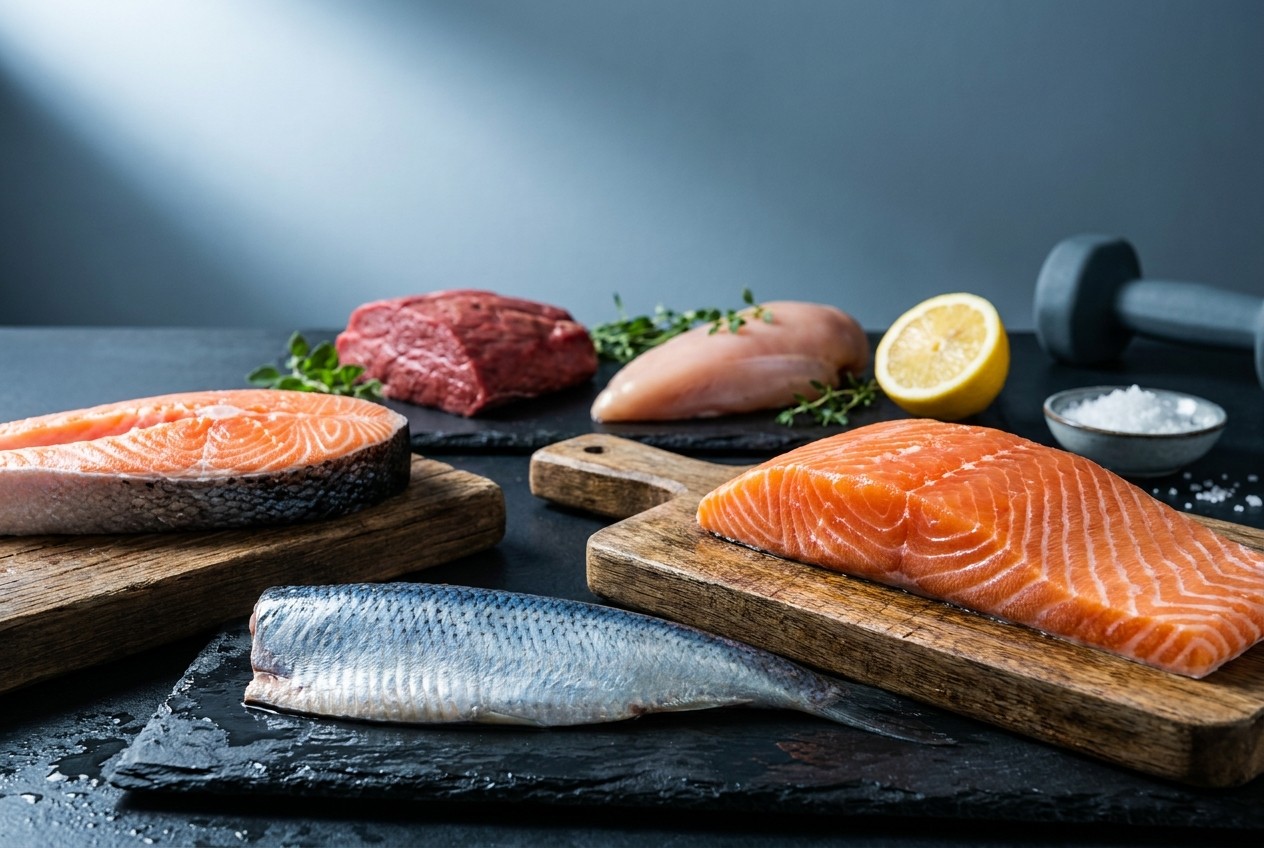
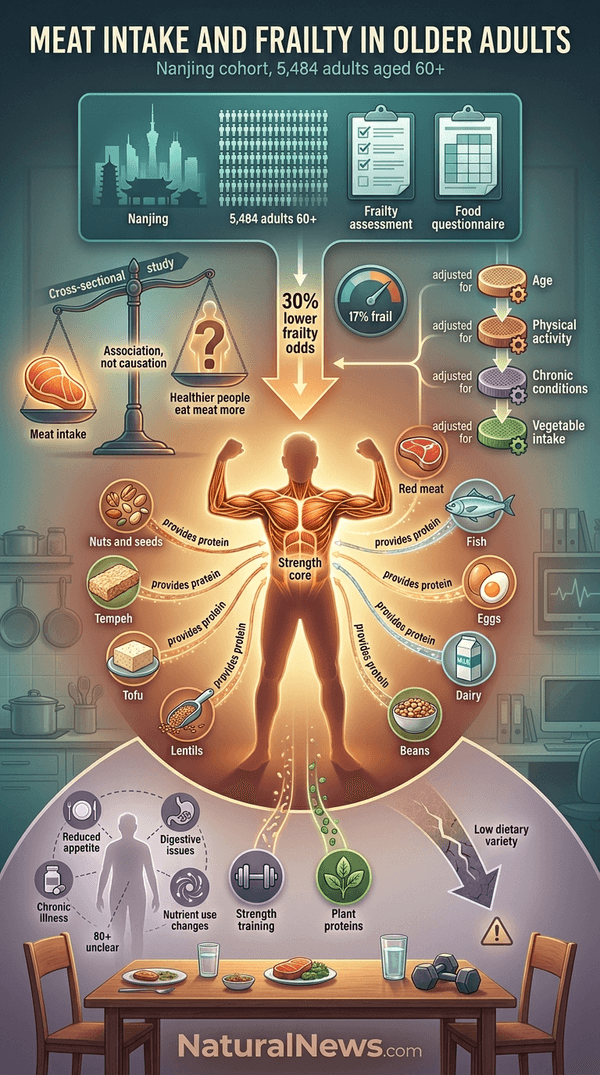
Adults ages 60 and older who met recommended meat intake levels had about 30% lower odds of frailty than those who ate meat less often, according to a study of 5,484 participants in Nanjing, China.
About 17% of the participants were classified as frail, the study stated. The research was published in Frontiers in Nutrition and was reported on October 8, 2026.
Researchers assessed frailty among participants and used a food questionnaire to measure how often they ate red and white meat, according to the study. The findings add to a body of research examining how diet, protein intake, and muscle maintenance interact as people age.
Study Design and Population
The study included 5,484 adults ages 60 and older in Nanjing, China, researchers said. Participants were assessed for frailty and completed a food questionnaire on red and white meat consumption frequency, according to the study.
Researchers compared people who met China’s recommended meat consumption frequency for older adults with those who ate meat less often, the study stated. Meat provides protein along with nutrients such as iron, zinc, selenium, and vitamin B12, according to the study.
Protein becomes especially important with age because maintaining muscle can become more difficult over time, researchers stated. Muscle loss is a natural effect associated with aging, though it is not inevitable when steps are taken to prevent the condition and strengthen muscles, according to an article published by Mercola.com [1]. Research indicates that nutritional status and physical activity both influence major chronic diseases of aging, according to a nutrition text [2].
Main Findings
Those who met the recommended meat intake level had about 30% lower odds of frailty than those who ate meat less frequently, according to researchers. The association remained after researchers accounted for age, physical activity, chronic health conditions and vegetable intake, the study stated.
The association was generally consistent across different ages, sexes, and living environments, researchers said. Among adults 80 and older, the association was no longer clear, according to the study.
Researchers suggested that factors such as reduced appetite, digestive issues, chronic illness, and changes in how the body uses nutrients could become more important at this age. An analysis of 7,300 NHANES participants aged 60 and older found 29% or 48% significantly lower frailty odds in participants who had either moderate or high adherence to an alternate Mediterranean diet, respectively, according to a review of dietary patterns and aging [3].
Caveats and Limitations
This was a cross-sectional study, meaning researchers looked at diet and health at one point in time, the report stated. It can show an association between meat intake and frailty, but it cannot prove that eating meat prevents frailty, researchers said.
Healthier people may simply have been more likely to eat meat regularly, according to the study. The study did not establish a clear association for adults 80 and older, researchers noted.
Low dietary variety has been associated with an increased frailty score, according to research published in the journal Nutrients [4]. Separate research found that social isolation and loneliness were associated with higher risks of frailty and death over about seven years, according to an analysis of four long-running aging studies [5].
Protein Intake and Muscle Health
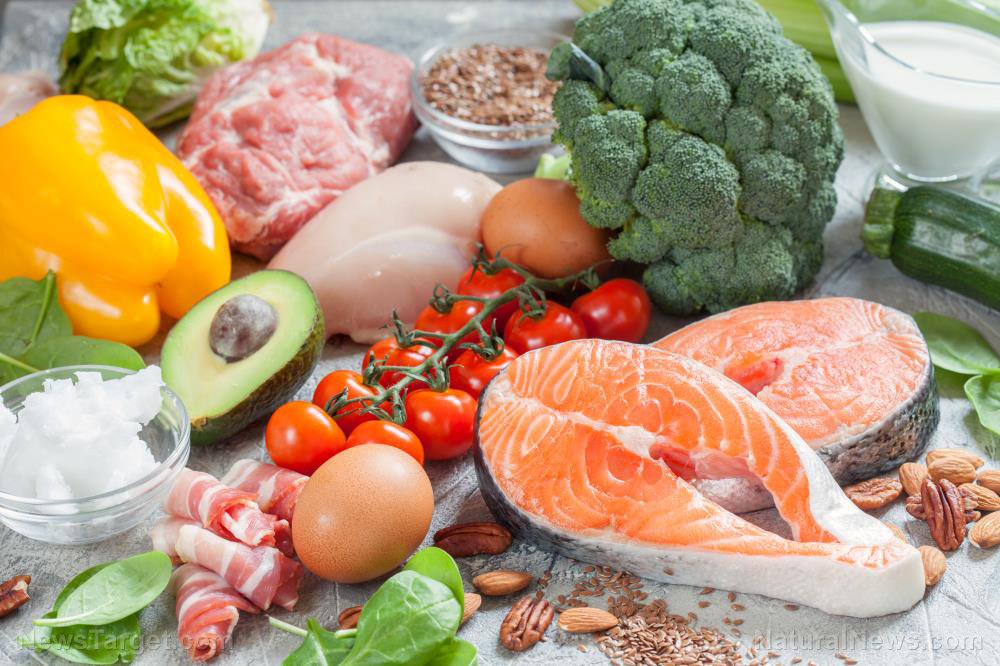
The findings do not mean people need to start eating more meat, researchers said; instead, they add to the case for making protein a regular part of the diet as people age. Animal proteins include meat, fish, eggs, and dairy, which provide high-quality protein along with other nutrients, according to the study.
Plant proteins such as beans, lentils, tofu, tempeh, nuts, and seeds can also help meet protein needs, researchers stated. If appetite changes, smaller meals and protein-rich snacks may be easier to manage than large portions, the report said.
Protein matters more as we age because it protects muscle and strength, according to a registered dietitian cited in a report on eating habits for longevity [6]. Protein intake from meals provides the amino acids the body needs to manufacture hormones, neurotransmitters, and immune system molecules, according to a book on nutrition and viral defense [7]. Regular strength training and other forms of movement also help preserve the muscle and physical function that support independence as people age, according to researchers.
Conclusion
In this study, older adults who regularly ate meat were less likely to be frail, but the finding does not mean meat is a guaranteed prevention, researchers said. Muscles need consistent support from food and movement, according to the study.
The researchers stated that protein intake and physical activity should both be considered as people age. The study adds to existing research on the relationship between diet and frailty in older populations.
High consumption of ultra-processed foods was associated with more severe age-related muscle loss, including the most advanced forms, according to findings reported August 6 that drew on 1,006 older adults in Iran enrolled in the Birjand Longitudinal Aging Study [8]. Ultra-processed food consumption has been linked to chronic low-grade inflammation that interferes with the body’s ability to build and repair muscle, according to a report on eating habits and muscle loss [9].
References
- Weight Training and Timed Protein Intake Help – Mercola.com, August 25, 2017
- Nutrition 0304 by Klimis-Zacas Dorothy_1
- Dietary Patterns Influence Chronic Disease Risk and Health Outcomes in …. https://pmc.ncbi.nlm.nih.gov/articles/PMC12735702/
- Low Dietary Variety Is Associated with Incident Frailty in …. https://www.mdpi.com/2072-6643/15/5/1145
- Study Links Loneliness and Social Isolation to Frailty and Shorter Lifespan. https://www.naturalnews.com/2026-08-15-study-links-loneliness-social-isolation-frailty-shorter-lifespan.html
- 5 Small Changes to Your Eating Habits That Could Help You Live Longer …. https://www.realsimple.com/eating-habits-for-longevity-12145756
- The war against viruses how the science of optimal nutrition can help you win by Burford-Mason Aileen author
- Study Links Ultra-Processed Food Intake to More Severe Age-Related Muscle Loss. https://www.naturalnews.com/2026-08-18-ultraprocessed-food-linked-severe-age-related-muscle-loss.html
- The Eating Habit Is Linked To Faster Muscle Loss… | mindbodygreen. https://www.mindbodygreen.com/articles/eating-habit-is-linked-to-faster-muscle-loss-with-age
Explainer Infographic
Submit a correction >>
Tagged Under:
aging, aging science news, alternative medicine, animal protein, discoveries, food science, frailty, grocery, health science, high meat diet, longevity, Mediterranean diet, muscle, muscle health, natural cures, nutrients, plant protein, protein, protein intake, remedies, research
This article may contain statements that reflect the opinion of the author
RECENT NEWS & ARTICLES