A PAIN IN THE NECK may signal underlying hypertension, sometimes indicating a medical emergency
02/12/2026 / By Lance D Johnson
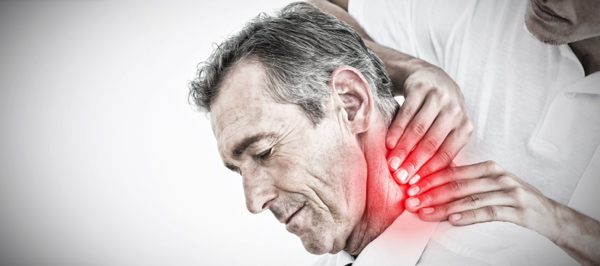
For many, a stiff neck is a mundane nuisance, a byproduct of a long day hunched over a desk or a phone, or perhaps comes from an awkward night’s sleep. It is a complaint so common it often fades into the background of daily aches, met with a shrug and perhaps an over-the-counter pain killer. Yet, medical experts warn that this familiar discomfort can, in specific and urgent circumstances, transform from a trivial irritation into a critical distress signal from the body. The key lies not in ignoring the pain but in understanding its language—differentiating between the dull ache of modern life and the sharp, persistent warning of a potentially catastrophic vascular event.
While often benign, neck pain can be intricately linked to underlying conditions like hypertension and, more urgently, can serve as a primary symptom of a cervical artery dissection, a leading cause of stroke in younger adults. Learning to interpret this signal could be the difference between a manageable condition and a life-altering emergency.
Key points:
- Neck pain is rarely a direct symptom of hypertension but can arise indirectly through muscle tension, reduced blood flow, and stress related to the condition.
- A sudden, severe, and persistent neck pain, especially when combined with headache, vomiting, dizziness, loss of motor control, or neurological symptoms, can indicate a cervical artery dissection, a tear in a neck artery that is a major cause of stroke in people under 50.
- Certain activities, including improper exercise form, chiropractic neck manipulations, and even hyper-extending the neck at a hair salon, have been linked to an increased risk of artery dissection.
- Prompt medical evaluation is essential for persistent or severe neck pain; masking it with painkillers or alternative therapies can delay diagnosis of serious underlying issues.
The indirect burden of hypertension
High blood pressure, or hypertension, is a stealthy condition, often presenting with no symptoms at all until it has inflicted significant damage on the cardiovascular system. While a pounding headache is sometimes associated with severe spikes in pressure, neck pain is not considered a classic hallmark. The connection is more subtle and indirect, a consequence of the body’s prolonged response to the internal strain of elevated pressure against artery walls.
One of the most frequent links is through unrelenting muscle tension. The constant physiological stress of hypertension keeps the nervous system in a heightened state, which commands muscles—particularly those in the neck, shoulders, and jaw—to remain tight and guarded. This can manifest as a stiff, sore neck, often concentrated at the base of the skull, and can radiate into tension headaches. Compounding this, hypertension can cause arteries to stiffen and narrow over time, a process known as arteriosclerosis. This can reduce the flow of oxygen-rich blood to the muscles of the neck and shoulders, leading to a deep, aching pain and a feeling of chronic fatigue in the area. Furthermore, the psychological burden of managing a chronic condition like hypertension generates its own stress, which feeds back into the cycle of muscle tension and elevated blood pressure, creating a self-perpetuating loop of discomfort and anxiety.
It is crucial, however, to recognize the severe scenarios where neck pain related to blood pressure demands immediate action. In a rare, life-threatening state called malignant hypertension, blood pressure rockets to dangerously high levels, often above 180/120 mmHg. This can cause a rapid increase in pressure inside the skull, leading to a sudden, explosive headache and severe neck pain, frequently accompanied by blurred vision, confusion, nausea, and chest pain. This constitutes a medical emergency. Similarly, neck pain can be a referred symptom during a heart attack or stroke, often appearing alongside classic signs like chest pressure, shortness of breath, numbness on one side of the body, or difficulty speaking.
A tear in the fabric: When neck pain signals a stroke
Beyond the realm of hypertension lies a more direct and dangerous cause of neck pain: a cervical artery dissection. This occurs when a tear develops in the inner lining of one of the major arteries in the neck—the carotids in the front or the vertebrals along the spine—that supply blood to the brain. Blood seeps through this tear into the artery wall, forming a clot that can either block the artery entirely or break off and travel upward, causing a stroke by cutting off blood flow to part of the brain.
What makes this condition particularly insidious is its demographic. While overall stroke rates have declined, incidence among younger adults appears to be rising, and cervical artery dissection is one of the most common culprits in this age group. Awareness has grown over the past twenty years as clinicians have connected unusual neck pain in otherwise healthy individuals to subsequent strokes. For some, an underlying genetic condition affecting connective tissue can make arteries more vulnerable. For many others, the trigger is physical.
The neck pain from a carotid artery tear often spreads along the side of the neck and up toward the outer corner of the eye. A vertebral artery tear may feel like something sharp is stuck in the base of your skull. This pain is typically distinct—unusual, persistent, and severe. It frequently coincides with a sudden, terrible headache. When accompanied by neurological signs like dizziness, double vision, loss of balance, slurred speech, or jerky eye movements, it represents a clear stroke alert.
The activities linked to these tears read like a list of ordinary life: strenuous weightlifting with improper form, head-flinging dance moves, certain yoga poses that hyper-extend the neck, and even the whiplash from a minor car accident. There is a documented, though rare, phenomenon dubbed “beauty parlor stroke syndrome,” occurring when a person tips their head back too far over a salon sink for a shampoo.
Perhaps most controversially, the quick, thrusting manipulations of the neck performed by some chiropractors, known as cervical adjustments, have been associated with these arterial tears in medical case reports. This connection has led many neurologists and stroke specialists to issue strong cautions against such manipulations, particularly for individuals already experiencing chronic neck pain or headaches, as it can be difficult to discern whether the treatment caused the tear or if the pain from an undiagnosed tear prompted the seek treatment.
Listening to the warning
The central message from medical professionals is one of informed vigilance. For the common, tension-related neck ache linked to posture or hypertension, management focuses on the root cause: controlling blood pressure through medication and lifestyle, incorporating gentle stretching, improving ergonomics, and managing stress. However, a shift in the character of the pain demands a shift in response.
Persistent pain that does not abate with rest, or severe pain that arrives suddenly and feels different from any previous ache, should not be masked with NSAIDs or dismissed as a mere strain or tech-neck. Doing so could allow a developing artery dissection to progress toward a stroke. The historical tendency to view neck pain as a purely musculoskeletal issue is evolving. Today, the medical understanding acknowledges that this common complaint can be a critical neurological sign, a piece of diagnostic evidence written in the body’s own language.
In the end, the neck is a vital conduit, a bridge between heart and brain filled with essential highways. A pain there is the body’s way of reporting a problem along that route. Distinguishing between a routine traffic jam and a catastrophic bridge failure requires attention, knowledge, and, when in doubt, the swift involvement of medical expertise. It is a matter of learning to heed a signal before it becomes a siren.
Sources include:
Submit a correction >>
Tagged Under:
artery dissection, blood pressure, cervical artery, headache, health science, heart health, high blood pressure, hypertension, medical emergency, muscle tension, neck injury, neck pain, neurology, stroke, vascular health, warning signs, young adults
This article may contain statements that reflect the opinion of the author
RECENT NEWS & ARTICLES